
Hypochlorous acid (HOCl) is a weak acid formed when chlorine reacts with water. The human body also produces it naturally in immune cells. Today it is made in a controlled way by the electrolysis of salt water and used in hygiene products for hands, surfaces and everyday objects. This guide explains what hypochlorous acid is, how it is produced, how it differs from bleach and alcohol, and how HOCl products should be used and stored.
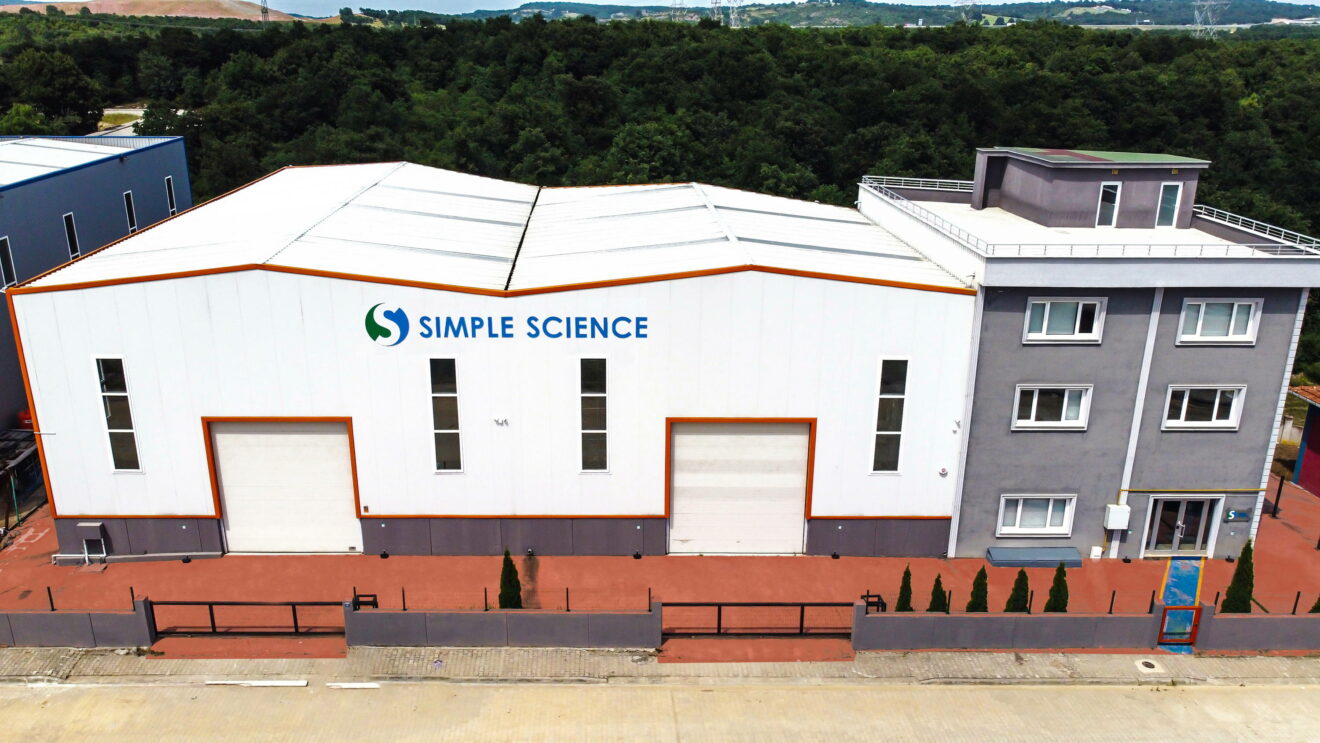
CleanSmart products are manufactured at our facility in Dilovası, Türkiye. Our team handles bulk orders, distribution and product questions by phone or through the contact form.
Hypochlorous acid is produced by neutrophils, a type of white blood cell. When a neutrophil engulfs a microorganism (phagocytosis), the enzyme myeloperoxidase combines hydrogen peroxide with chloride ions to form HOCl. Scientific literature describes this as one of the key mechanisms the immune system uses against microorganisms. A detailed review is available in this HOCl review published on PubMed Central.
The CleanSmart catalogue describes HOCl as “the cell’s natural shield”: when the immune system detects a pathogen, white blood cells release hypochlorous acid during phagocytosis. CleanSmart’s product approach is built on offering this same molecule in a stable spray form.
Commercial hypochlorous acid solutions are mostly produced by electrolysis of salt water. When an electric current passes through a solution of water and table salt (sodium chloride), chlorine species form at the anode, and within the right pH range most of them remain in solution as hypochlorous acid.
According to CleanSmart, the process starts with pure salt water with no additives; it is electrically charged and converted into hypochlorous acid, and after use it returns to salt water. Production takes place at the Simple Science facility in Kocaeli Dilovası KOBİ OSB.
No. Both are based on chlorine chemistry, but they are not the same substance. The active ingredient in household bleach is sodium hypochlorite (NaOCl), which is kept at a high, alkaline pH. Hypochlorous acid is the form that dominates at a slightly acidic to neutral pH. In practice this difference affects everything from smell to how the product is used.
| Property | Hypochlorous acid (HOCl) | Bleach (NaOCl) | Alcohol-based disinfectant |
|---|---|---|---|
| Active ingredient | Hypochlorous acid | Sodium hypochlorite | Ethanol or isopropanol |
| Typical pH | About 4–7 (slightly acidic to neutral) | About 11–13 (alkaline) | Not defined by pH |
| Odour | Faint or none | Strong chlorine smell | Noticeable alcohol smell |
| Flammability | Not flammable | Not flammable | Flammable |
| After use | Depending on the product, rinsing may not be needed (check the label) | Usually requires dilution and rinsing | Evaporates, can dry the skin |
When bleach is mixed with acidic products, such as some limescale removers, harmful chlorine gas can be released. No cleaning product, including hypochlorous acid products, should be mixed with other chemicals.
pH determines which form the chlorine takes in a solution. The acid dissociation constant (pKa) of hypochlorous acid is about 7.5. Below pH 7.5 the HOCl form dominates; above it, the hypochlorite ion (OCl⁻) takes over. That is why bleach stays on the alkaline side, while hypochlorous acid products are formulated in the slightly acidic to neutral range. The chemical properties of the molecule can be reviewed in the PubChem database.
Hypochlorous acid is used in water treatment, food processing surfaces, agriculture, and personal and household hygiene. There are also many scientific studies on its use in healthcare; these are general information only, and a doctor should be consulted for any health concern.
CleanSmart products are grouped by area of use:
Once the area of use and the quantity needed are shared, our team recommends the right pack and carton option.
CleanSmart hand and skin spray is applied by spraying and does not need to be rinsed off. According to the catalogue, the product comes in two main packs: SS100, a 100 ml finger-pump spray (40 units per carton), and SS500, a 500 ml trigger spray (12 units per carton). The small size suits a bag; the trigger spray suits frequent use at home or in the workplace.
Hypochlorous acid is sensitive to light and heat. The bottle should be kept closed in a cool place away from direct sunlight. Because the product’s effectiveness is designed together with its packaging, transferring it to another bottle is not recommended.
This is not recommended. According to CleanSmart, the packaging has special qualities that keep the product effective throughout its shelf life; the product is designed to be used as directed and only in its original packaging.
CleanSmart products contain no fragrance, perfume or dyes. The hypochlorous acid solution itself has no noticeable smell, or only a very faint one.
No. Hypochlorous acid products should not be mixed with bleach, limescale removers or any other cleaning chemical. Each product is used separately, following the instructions on its own label.
By electrolysis of salt water. At CleanSmart, the process starts with additive-free salt water and is carried out under controlled conditions at the Dilovası facility.
Bulk orders and distribution discussions for schools, nurseries, offices and businesses are handled by phone and e-mail.
Use biocides safely. Always read the label and product information before use. This page is for general information only; a doctor should be consulted for health-related questions.